

Are you looking for ways to improve your financial health but feel overwhelmed by complex strategies? This article focuses on simple habits that can significantly impact your financial well-being. We’ll explore practical, easy-to-implement steps to help you build a stronger financial future, focusing on areas like budgeting, saving, and debt management. Discover how small changes in your daily routine can lead to substantial long-term financial gains, reducing stress and increasing your overall sense of security.
Improving your personal finance doesn’t require drastic measures or extensive financial expertise. This guide unveils straightforward money management techniques anyone can adopt. We’ll cover actionable tips on creating a realistic budget, establishing an effective savings plan, and strategically tackling debt. Learn how to cultivate positive financial habits that contribute to financial stability and empower you to achieve your financial goals, whether it’s buying a home, retiring comfortably, or simply having more peace of mind.
Track Spending Daily or Weekly
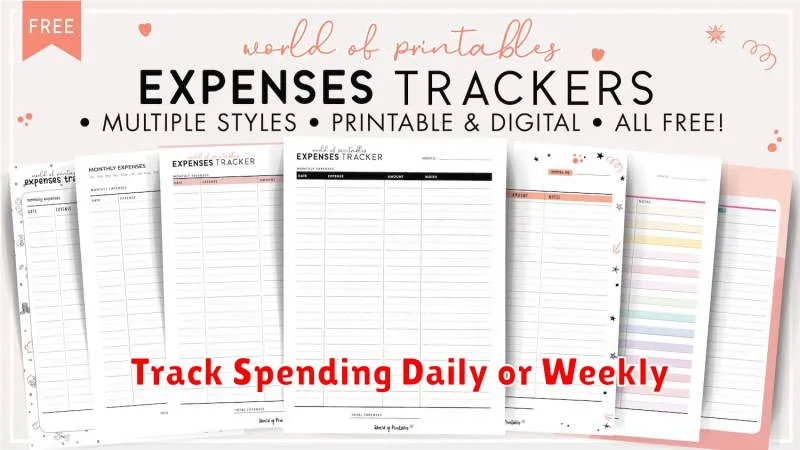
Tracking your spending, whether daily or weekly, is a fundamental step towards improving your financial health. Many find daily tracking more effective for immediate awareness of spending habits, allowing for quicker adjustments. However, a weekly review might suit others better, providing a broader perspective and potentially less overwhelming data entry.
Regardless of your chosen frequency, the key is consistency. Establish a routine that works for you, whether it’s jotting down expenses in a notebook, utilizing a budgeting app, or meticulously logging transactions online. This consistent record-keeping will allow you to identify areas of overspending and make informed decisions about your finances.
The act of tracking itself promotes mindfulness. When you actively record every purchase, you become more aware of your spending patterns and how your money is being allocated. This awareness is crucial for identifying unnecessary expenses and making conscious choices about where your money goes.
Consider using a spreadsheet or budgeting app to categorize your spending (e.g., groceries, transportation, entertainment). This categorization will further illuminate your spending habits and highlight areas where you can potentially make savings. This level of detail allows for a more comprehensive understanding of your financial situation and facilitates effective budgeting.
Use a Consistent Budget System
Establishing a consistent budget system is paramount to improving your financial health. This doesn’t necessitate complex spreadsheets or software; a simple system that works for you is key. The core principle is tracking your income and expenses accurately.
Consider using a budgeting app, a spreadsheet, or even a simple notebook. The important aspect is regularity; review your budget weekly or monthly to identify areas for improvement and ensure you’re staying on track.
A well-structured budget should clearly delineate between needs and wants. Prioritizing essential expenses such as housing, food, and transportation allows you to allocate remaining funds towards savings or discretionary spending. This mindful approach fosters better financial control and reduces the likelihood of overspending.
Remember, the goal is not to restrict yourself unnecessarily, but rather to gain a clear understanding of your financial situation. By consistently tracking your finances, you can identify areas where you can make small changes that lead to significant long-term improvements in your financial well-being.
Pay Bills Automatically to Avoid Late Fees
One of the simplest yet most effective ways to improve your financial health is to automate your bill payments. This seemingly small change can prevent late fees, a significant drain on your budget. Late fees compound over time, quickly turning small oversights into substantial losses.
Automating your bill payments ensures that your payments are made on time, every time. This eliminates the risk of forgetting deadlines or misplacing bills, a common source of financial stress. Many banks and credit card companies offer online bill pay services that allow you to schedule recurring payments.
Consider setting up automatic payments for your recurring expenses such as your mortgage, rent, utilities, credit card bills, and loan repayments. You can often manage these payments directly through the provider’s website or mobile app. Some services even send you email or text confirmations, providing an extra layer of security and peace of mind.
By automating your bill payments, you not only avoid late fees but also improve your credit score. Consistent on-time payments demonstrate responsible financial behavior to credit bureaus, potentially leading to better interest rates and financial opportunities in the future.
While convenience is a major benefit, the primary advantage of automating bill payments is the financial stability it provides. Preventing late fees translates directly into more money available for savings, investments, or other financial goals. The time saved in managing bills manually can be redirected to more productive activities.
Build an Emergency Fund Slowly
Building an emergency fund can feel daunting, especially if you’re starting from scratch or struggling with debt. The key is to approach it gradually, making it a sustainable part of your financial routine rather than a stressful, overwhelming task. Don’t let the ideal amount intimidate you; start small and build consistently.
Begin by setting a realistic savings goal. Instead of aiming for the recommended 3-6 months of living expenses immediately, start with a smaller, more achievable target, such as $500 or $1000. This initial milestone provides a sense of accomplishment and motivates you to continue saving.
Automate your savings. Schedule a recurring transfer from your checking account to your savings account each month, even if it’s a small amount. This “pay yourself first” approach ensures you save consistently without having to manually transfer funds, reducing the likelihood of skipping a month.
Track your progress. Regularly monitor your savings balance to stay motivated and visualize your progress. This visual reminder reinforces the positive impact of your efforts and keeps you focused on your financial goals. Celebrate small victories along the way – reaching each milestone deserves acknowledgment.
Adjust your spending habits. Identify areas where you can reduce expenses. Even small changes, like brewing coffee at home instead of buying it daily, can significantly impact your savings over time. The cumulative effect of these minor adjustments will contribute substantially to your emergency fund.
Remember, building an emergency fund is a marathon, not a sprint. Consistency is key. Focus on making progress, no matter how slow, and you’ll gradually build a strong financial safety net.
Review Finances Monthly with a Checklist
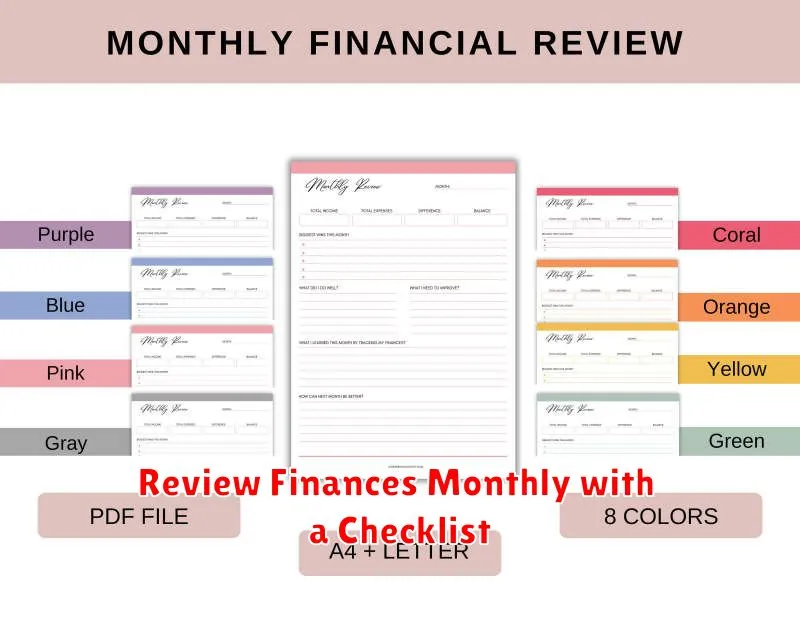
Regularly reviewing your finances is crucial for maintaining financial health. A monthly review allows you to stay on top of your spending, identify potential problems early, and make necessary adjustments to your budget. This proactive approach can prevent unexpected financial surprises and help you achieve your financial goals.
Creating a checklist can streamline this process. Consider including the following items:
- Check your bank accounts and credit card statements: Reconcile your accounts to ensure accuracy and identify any unauthorized transactions.
- Review your budget: Compare your actual spending to your budgeted amounts. Identify areas where you’re overspending or underspending and adjust your budget accordingly.
- Track your investments: Monitor the performance of your investments and make any necessary rebalancing adjustments.
- Pay your bills on time: Avoid late payment fees and maintain a good credit score.
- Review your debt: Check your outstanding debt balances and make a plan to manage or reduce your debt. Consider strategies for paying down high-interest debt more aggressively.
- Assess your savings progress: Check your progress towards your savings goals. Adjust your savings rate if necessary to stay on track.
- Plan for upcoming expenses: Anticipate upcoming large expenses, such as holiday shopping or car maintenance, and allocate funds accordingly.
Using a checklist ensures that you consistently cover all important aspects of your finances each month. This organized approach helps you gain valuable insight into your spending habits, improve your financial planning, and ultimately strengthen your overall financial well-being. The time spent reviewing your finances monthly is a significant investment in your future security and prosperity.
Avoid Lifestyle Creep Gradually
Lifestyle creep is the insidious tendency to increase spending as your income rises. It’s a silent thief that can derail even the most carefully crafted financial plans. Instead of saving and investing that extra income, you unconsciously upgrade your lifestyle, purchasing more expensive items and indulging in more luxurious experiences. This leaves you no better off financially despite earning more.
The key to avoiding lifestyle creep is gradual adjustment. Don’t drastically alter your spending habits overnight. Instead, implement small changes incrementally. If you receive a raise, for example, don’t immediately upgrade to a larger home or a more expensive car. Instead, allocate a portion of the additional income to savings and investments, and only then consider modest improvements to your lifestyle.
Conscious spending is crucial. Before making a purchase, ask yourself if it aligns with your financial goals. Is this a need or a want? Can you afford it without compromising your savings or debt repayment plan? By developing a mindful approach to spending, you can significantly reduce the risk of succumbing to lifestyle creep.
Budgeting is another effective tool. Track your income and expenses meticulously. This provides a clear picture of your spending habits, allowing you to identify areas where you can cut back and redirect funds towards savings and investments. Regularly reviewing your budget helps maintain financial discipline and prevents unnecessary spending.
Prioritize your goals. Having clear financial objectives, such as saving for a down payment on a house or early retirement, can help you stay focused and resist the allure of unnecessary expenses. When faced with a tempting purchase, consider whether it contributes to your long-term financial goals. If not, it’s likely an expense you can avoid.
